
Two-Day Intensive • Atlanta, GA
Vendor negotiation and day-of logistics, worked through in the room.
A workshop built for event planners and venue coordinators who are tired of learning contract structure and timeline recovery the hard way, mid-event. We work through real scenarios, real paperwork, and real timelines across two focused days.

Built around the moments that actually go wrong
Most of what makes an event succeed or fall apart happens outside the proposal deck. It happens in the parking lot when a delivery truck is forty minutes late. It happens in a contract clause nobody read closely enough. It happens when a client's expectations and the venue's reality stop matching up at 6:14pm on the day itself. This workshop was built around those specific moments, not general theory.
What we work through, session by session
Each topic below opens into the detail we actually cover. Expand any section to see what the two days include.
We look at how a trial event, a smaller booking used specifically to evaluate a new vendor, can tell you more in three hours than a proposal ever will. You'll leave with a scoring approach for trial events and a framework for deciding which vendors earn a spot on your preferred list and which need a second look before you commit clients to them.
This includes structuring the trial itself: what to ask for, what to pay, and how to keep the arrangement fair to a vendor who is also taking a risk on a new relationship.
We go clause by clause through the sections that tend to get glossed over: cancellation windows, liability for weather or venue failure, overtime rates, and what happens when a vendor subcontracts without telling anyone. The aim isn't to write contracts that favor the planner over the vendor, but ones that hold up when something unexpected happens to either side.
You'll work with sample contract language during the session and adapt it against a checklist you can reuse afterward.
A timeline that only works if everything runs on schedule isn't much of a timeline. We build minute-by-minute schedules with deliberate buffer built into the points where delay is most likely: load-in, vendor arrival, and the transition between ceremony and reception spaces. You'll practice building one from scratch using a real event brief.
This session focuses on the conversations, not the paperwork. When a vendor is late, or a room isn't ready, or the weather forces a last-minute change, the words you use with a client in that moment matter. We work through scripted and unscripted scenarios so you can practice staying calm, direct, and honest without over-promising a fix you can't deliver.
A debrief that just says "that went well" doesn't teach you anything. We cover a structured post-event review format that captures what actually happened against the timeline, which vendors performed as promised, and where the plan itself needs adjusting. You'll leave with a debrief template built to be filled out within 48 hours of an event, while details are still fresh.
Why planners and coordinators attend
Four reasons keep coming up when we ask people why this particular workshop, rather than a general event-planning course.
It's built around vendors, specifically
Not general planning skills. The entire two days orbits around vendor relationships: finding them, testing them, contracting with them, and recovering when one of them underperforms.
Small enough to actually work in the room
Cohorts stay small enough that we can review a real contract or a real timeline you bring with you, rather than only working from generic examples.
Fairness runs both directions
We treat contracts and negotiation as something that has to work for the vendor as well as the planner. One-sided terms tend to break down exactly when you need them most.
Designed for repeat improvement, not one event
The debrief framework and vendor scoring tools are built to be reused after every event you run, so the second event benefits from what the first one taught you.
How the two days are structured
Vendors, trials, and contracts
- Morning: evaluating and shortlisting vendors
- Midday: structuring a trial event and scoring the results
- Afternoon: contract language, clause by clause
- Late afternoon: negotiation practice in pairs

Timelines, live pressure, and debrief
- Morning: building a minute-by-minute event timeline
- Midday: simulated delay scenarios and client conversations
- Afternoon: post-event debrief structure and templates
- Close: applying the tools to your own upcoming event

Who this workshop is for
This session is built for people who already run events and are looking to tighten the operational and vendor-facing side of the work. It's a fit for independent event planners managing multiple vendors per project, in-house venue coordinators who negotiate directly with caterers and rental companies, and small planning teams that want a shared framework everyone uses the same way.
It assumes you've run at least a handful of events already. We spend the two days on negotiation, contracts, timelines, and debrief specifically, not on introductory planning basics.
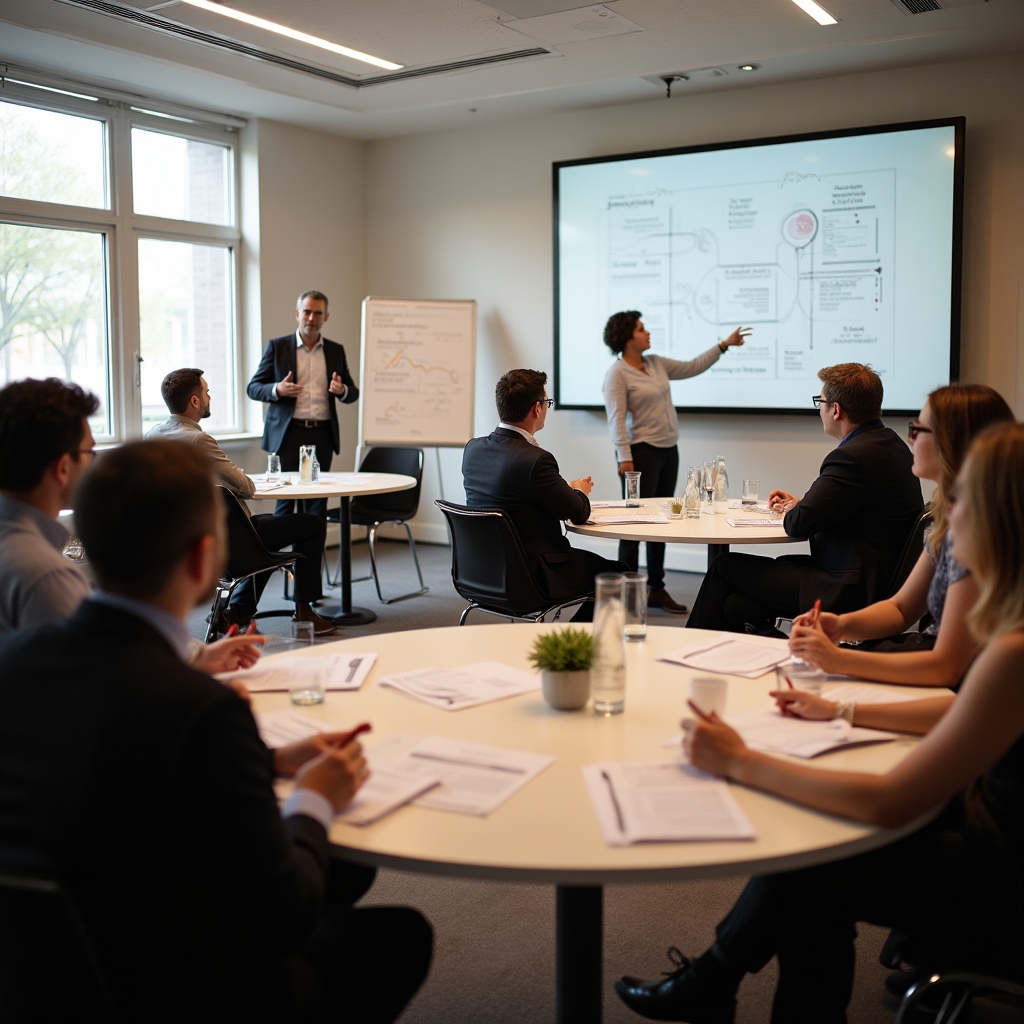
Where the workshop is held
Puhanu Fabufi Workshop Studio
2664 Donald Lee Hollowell Pkwy NW, Atlanta, GA
Both days are held fully in person at this location. Parking details are shared with registrants ahead of the session.
Get in touchHave a question before you commit two days to this?
That's a fair instinct. Reach out and we'll walk you through exactly what's covered, who tends to attend, and whether the format fits how you currently work.
Contact us